Frugal Medicine
By Ahoor Saleem
I first heard the term “frugal medical devices” at a research fair I attended at Western University when I was in high school. As a 17-year-old student just beginning to explore my interest in medicine and research, the term caught me by surprise and intrigue. When we discuss research nowadays, it is usually from a frame of “revolutionary”, “new technology”, or “grand”, usually with an underlying message of high cost. However, walking around this fair, I met a new reality of research — research applicable to people beyond the Global North; research that could meet people where they actually are.
At the fair, I watched a student present a prototype for a diagnostic tool to detect diseases like malaria, a condition that continues to impose a disproportionate burden on low-resource communities worldwide. This tool didn’t require expensive materials or infrastructure. It was a simple tool that could be used on-site at a small expense. In that moment, I began to understand the importance of medical research that prioritizes accessibility over prestige alone.
Frugal medical devices are cost-effective, sustainable, and affordable, yet they are high-quality technologies specifically designed for use in resource-limited environments. You might find the term “frugal” uncomfortable at first when used in the realm of medicine and healthcare. However, it’s important to preface that this does not refer to lower-quality technology, nor is it a one-size-fits-all device. Instead, meaningful cost reduction allows for design and development for the communities that actually use it, often leveraging local resources and context in its design.
Unlike the Global North, where research can bloom using expanding amounts of funding or resources, the Global South may not be able to afford to implement such research and devices. This widens the gap in healthcare access between regions of the world; sometimes, research can unintentionally perpetuate healthcare inequities.
Western University has its own Frugal Biomedical Innovations Program in its Engineering faculty, which aims to “co-design, develop and deploy innovative medical technologies that improve healthcare access for patients in remote and low-resource contexts in Canada and globally”. For example, in collaboration with Uganda's Makerere University, one project transformed inexpensive 12 V camping refrigerators into medical-grade cold storage systems for vaccines and essential medicines, to be used in resource-limited settings. Maintaining a reliable cold chain is critical because many vaccines lose potency when exposed to temperatures outside a narrow range, compromising their effectiveness. The refrigerators were paired with solar panels and batteries so they could operate continuously without reliable grid electricity, while meeting the World Health Organization's medical-grade standards. They also partnered locally, with Ugandan medical supply distributors and Drop Access, a start-up in Kenya. This project demonstrates how research can reimagine a low-cost, normal piece of technology into a useful medical device, meeting the needs and accessibility of communities with limited infrastructure.
More recently, researchers at the University of Toronto developed a technology, coined the “Mango” device. With their aim to bring the lab to the patient, they developed a compact diagnostic and drug manufacturing device which can be used by patients directly on-site. Mango allows for the remote manufacturing of diagnostic enzymes on-site using cell-free systems and synthetic biology techniques. This device’s purpose is to reduce turnaround times of typical lab testing, specifically highlighting their aim of decentralizing diagnosis, inspiring small-scale diagnostic or therapeutic testing that can occur outside hospital or lab testing centres. They are currently working with research teams in different regions of the Global South, where Mango is being developed and refined to diagnose diseases such as Zika and dengue. This type of device embodies the principles of frugal medical devices, specifically by reducing reliance on costly infrastructure and emphasizing portability and scalability.
Frugal research has led me to an ethical question within global health: What responsibility does research have once a solution exists? The initial discovery of an effective diagnostic tool or treatment option is just the first step. If those solutions remain inaccessible due to cost, infrastructure, or geography, their benefits are unevenly distributed, and we only perpetuate global health inequity.
Frugal research is not meant to compete with traditional biomedical research. Instead, it should be seen as an area that complements it. Research should consider the realities of healthcare delivery and ask whether an innovation can achieve meaningful outcomes for populations, including those in the Global South. Even in remote areas of Canada, patients face challenges such as travel burdens, long wait times, and limited staffing, when receiving healthcare. There are gaps in healthcare delivery that frugal research can address.
I’ve come to understand that the most impactful medical technologies don’t come from adding complexity, but from removing it. Designing a device requires knowing who is actually using the device, who will be trained, and the resources they have access to. By learning about the principles of frugal medical device design, we can take a step toward advancing healthcare without unintentionally widening existing inequities.
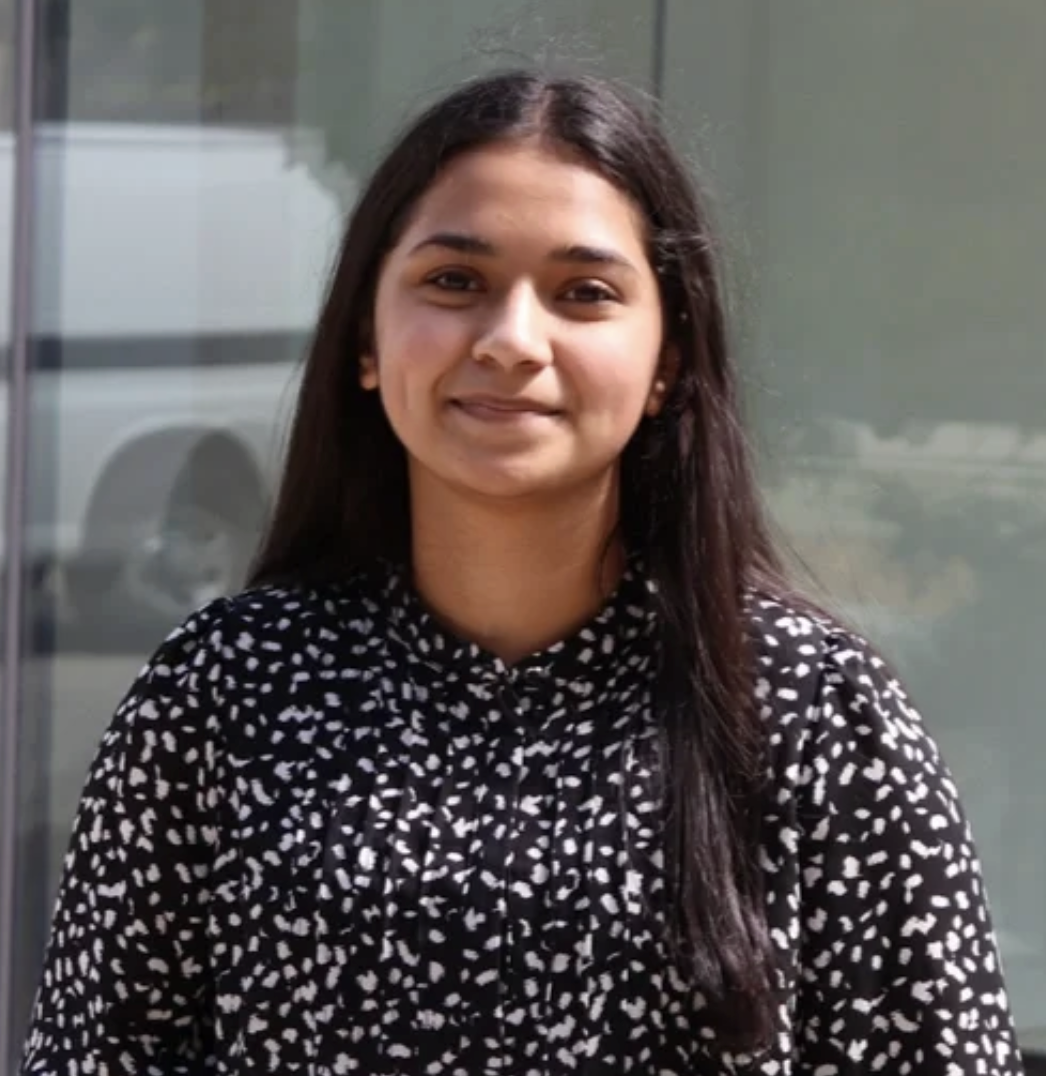
Ahoor Saleem
is a third-year Honours Anatomy and Cell Biology student at McGill University. This year, she joins the Perspectives team as an Editor, motivated by a passion for advancing discussions around global health. Committed to global health education, awareness, and equity, Ahoor has explored the intersection of global health within her academic and extracurricular pursuits — such as participating in research on infectious diseases of global importance and engaging in global health campus initiatives such as CAGH. In the future, she aims to further her education in global health, focusing on its role in shaping medicine and fostering community well-being.