
Peaks, Protests, and Pyres: Lessons on Health Beyond the Hospital in Nepal
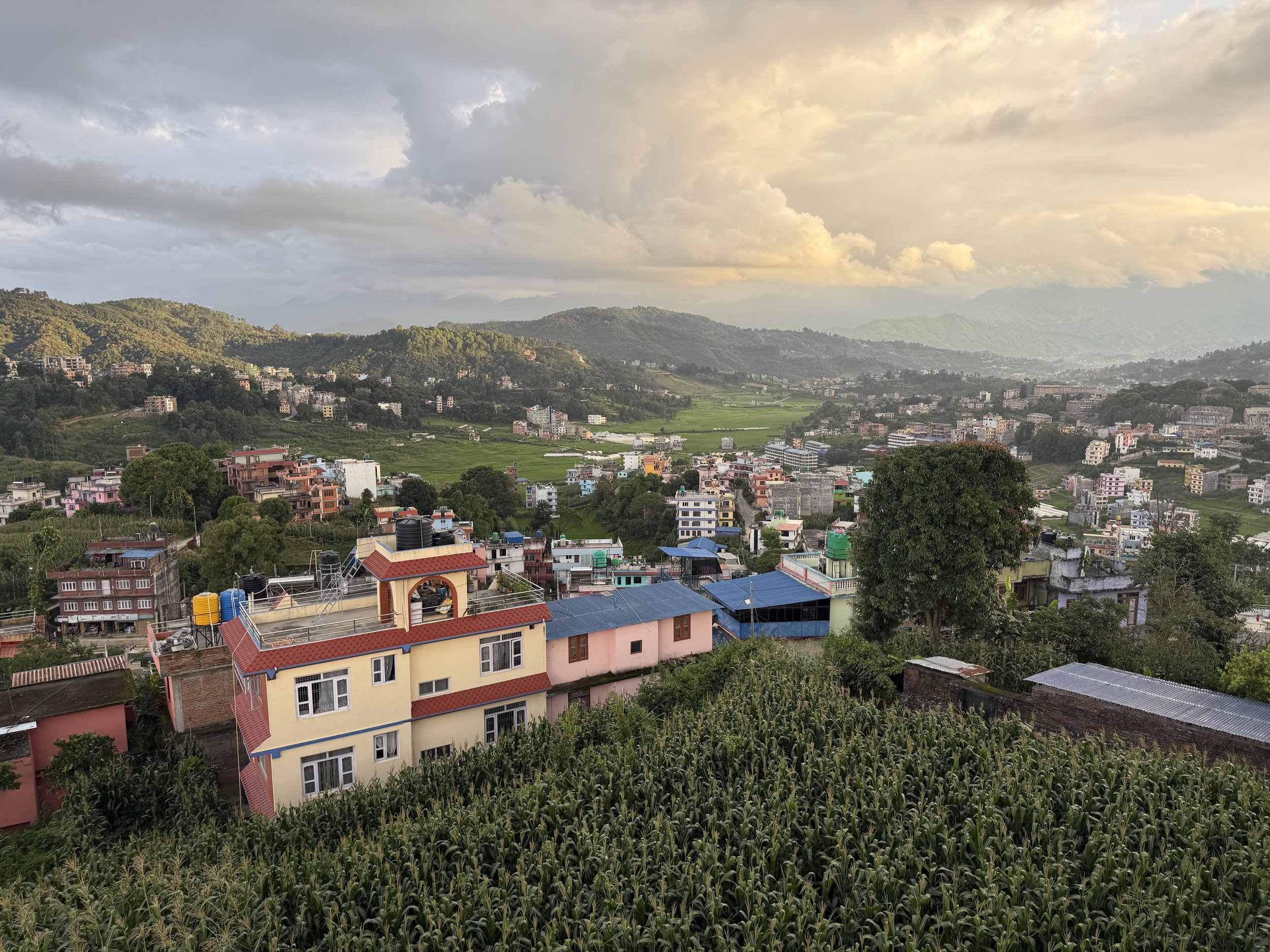
View from the walk to Dhulikhel Hospital
By Olivia Koufos
I was sitting next to a young Nepali on the plane who pointed out Annapurna, Manaslu, and the Langtang mountain regions through the window. The 8,000-meter peaks pierced the clouds as our plane drew further away from Kathmandu. Yet just 2 weeks later, the streets of the capital would erupt with young protestors, the parliament building engulfed in flames, and the prime minister forced to resign. That juxtaposition—the striking Himalayas set against a rising sense of unrest—framed my summer in Nepal.
I travelled to work on a trauma care project in the emergency department but left understanding that health is shaped just as much by politics and cultural traditions as it is by medicine.
I spent 3 weeks in the rural town of Dhulikhel, about 30 km northeast of Kathmandu. It takes anywhere from 1 to 3 hours to get there depending on the roads and the weather. Only half the road is paved; the rest is soft, unstable, and prone to landslides during the monsoon. Motorcycles, easier to wave through the narrow, crowded, and unpredictable roads, are the preferred mode of transport for many Nepalese. Motor vehicle accidents (MVAs) are among the leading cause mortality in low- and middle-income countries. I saw many MVAs in the emergency department and I often heard the sentiment that only the driver needed a helmet since they were seen as more likely to be injured. I heard this belief echoed in conversations with locals, medical staff, and even police officers who explained they issued tickets to drivers but not passengers without helmets. A controversial bill proposing compulsory helmet use has been met with a lot of criticism fuelled by a longstanding frustration with corrupt politicians. One of the locals I met told me the bill reflects the commercial interest of helmet companies instead of public safety. It became clear that effective trauma care extends far beyond my project to set up a trauma registry in the emergency department. A baseline mistrust and unstable political climate make enforcing public health policy incredibly difficult.


Left to right: Swayambhunath Temple, as known as Monkey Temple, in the Kathmandu Valley,
Cremation ghats at Pashupatinath Temple on the banks of the Bagmati River
It was only a couple weeks after my return to Montreal that the Gen Z protests erupted in Kathmandu. The house of the mayor of Dhulikhel was set on fire, and the town was placed on a curfew. I’d attended a conference held at the hospital only 3 weeks before this, during which the mayor and several Gurkhas were in attendance. The room was tense as the founder of the hospital spoke passionately about his frustration with a recent health insurance policy change. I was sitting next to a medical student during the meeting, and we passed his phone back and forth as he kindly typed out an english translation of the heated debate. As if overnight, the once overflowing waiting room was now empty. Patients could not afford healthcare at Dhulikhel hospital if their government insurance was no longer recognized. Enrollment in government health care coverage in Nepal is low as not many can afford the NRs 200,000 annual fee ($2000 CAD). Even those with coverage paid out of pocket as the benefits were limited. The student leaned over and whispered to me “many people are frustrated with the government”. I wouldn’t understand the weight of that moment until many weeks later, when a Facebook post from Dhulikhel Hospital made its way to my timeline, stating that “all patients who were injured and brought to treatment at Dhulikhel Hospital during the current protest will be treated for free”.
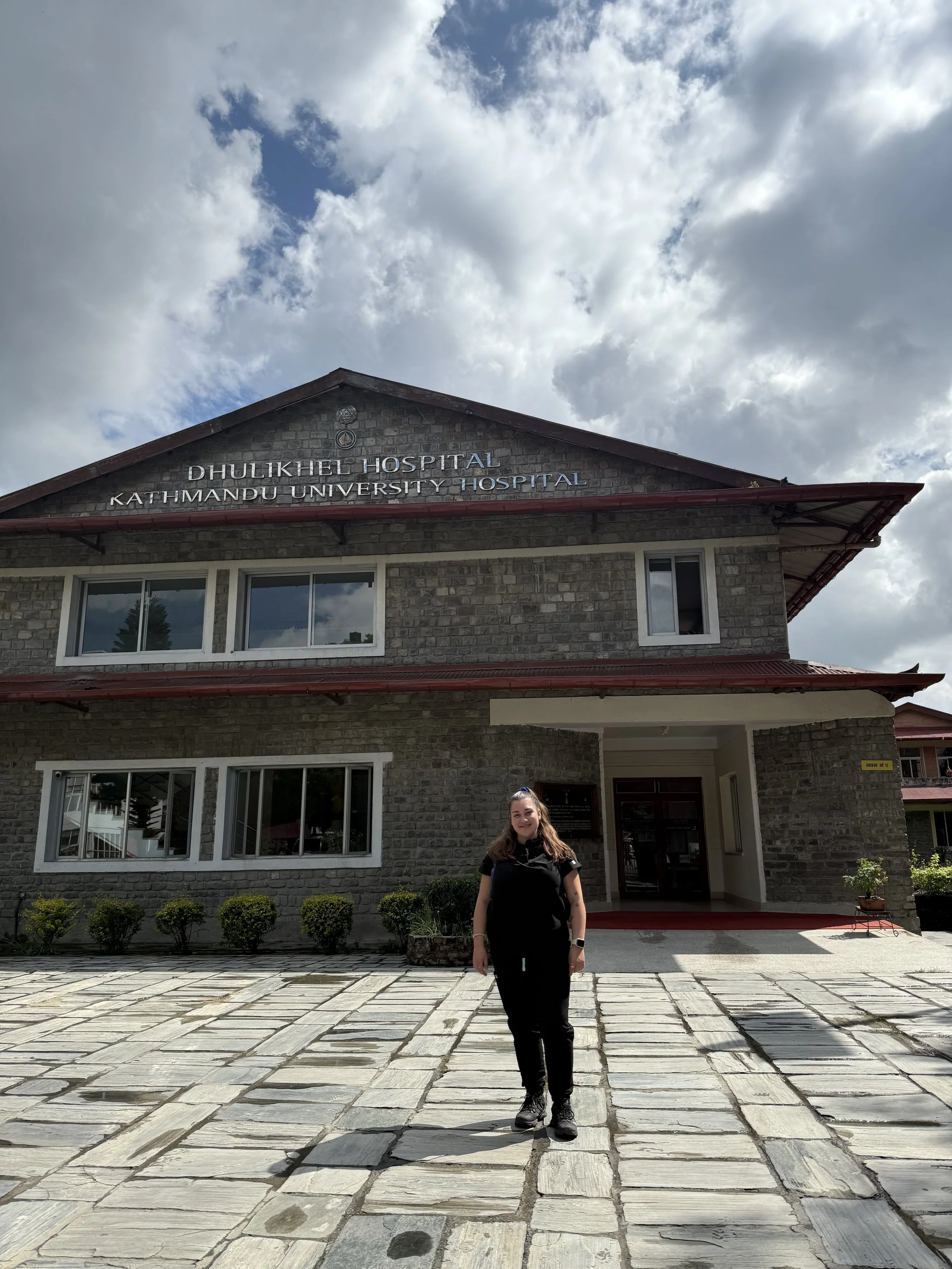
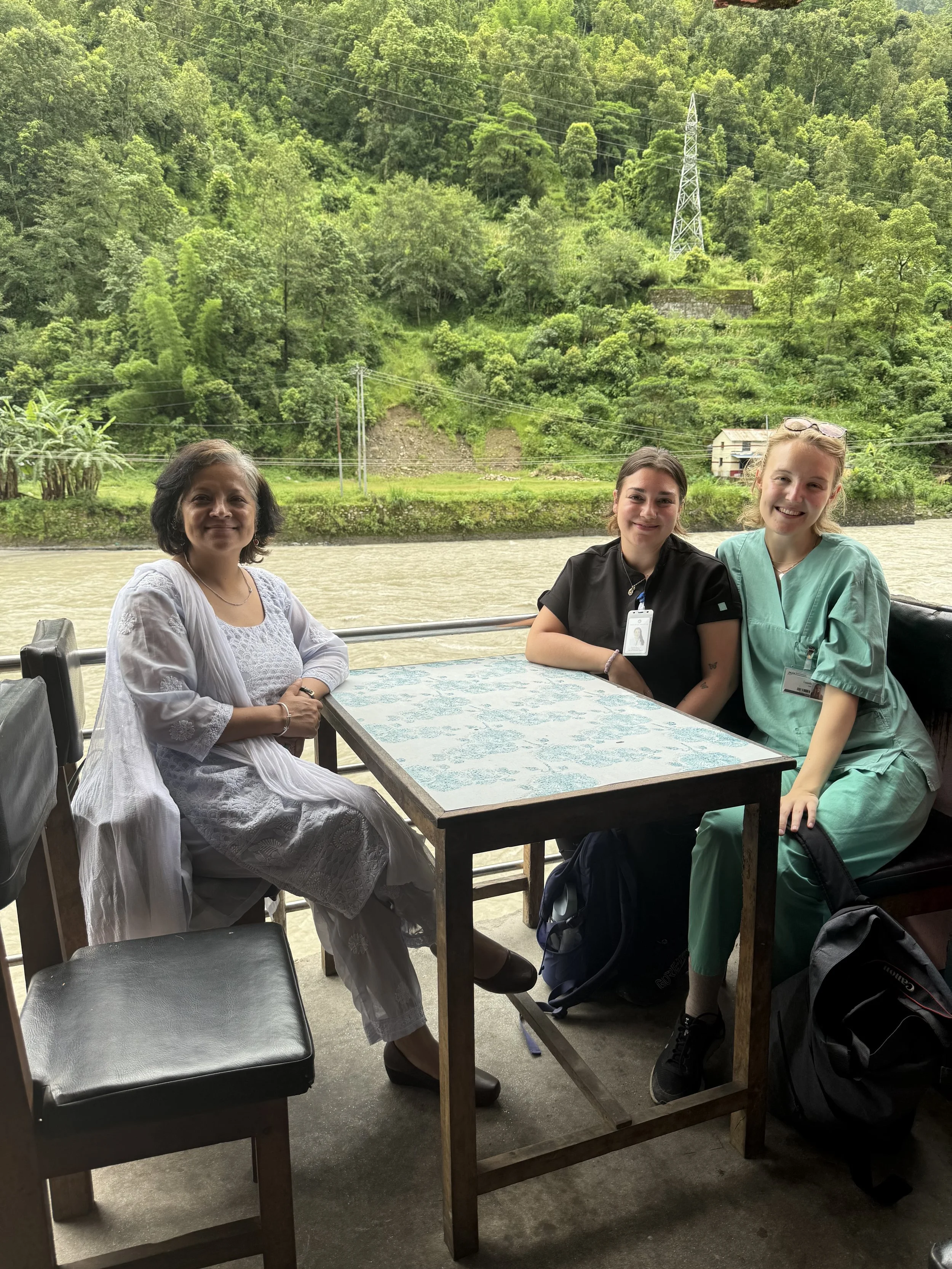
Left to Right: Dhulikhel Hospital Kathmandu University, In the Mountains Hindi Outreach Center
On my last day in Nepal, I sat on the stone steps overlooking the cremation ghats at Pashupatinath Temple on the bank of the Bagmati river. It’s where Hindus from across the Kathmandu Valley come to cremate their loved ones. Cremation is viewed not as death, but as a spiritual transition of the soul. Many Hindus ask their families to bring them to Pashupatinath Temple as they approach death so they can die on the stones lining the river to give their soul the best chance of reaching moksha. I saw a patient brought dead on arrival to the emergency department, their families conversing about how to make it to Pashupatinath so they could perform the cremation ritual that same day. It’s tradition for the family to carry the body wrapped in cloth and bathe them in the river. The eldest son carries the flame in his mouth and lights the pyre. The family sit together for hours as the body burns to ashes, the smoke from the cremation ghats lining the river mix together, enveloping families in their collective mourning. The ashes then scatter into the Bagmati river that eventually flows into the Ganges in India.
Pashupatinath, with its mingled sounds of grief and ritual, embodied for me how health in Nepal is inseparable from spirituality and community. It’s a testament to the importance of community and cultural tradition in the broader context of health.
It's only in hindsight that I see a thread connecting these seemingly disjointed moments. Health is not only medicine—it involves politics, trust, and tradition. My global health research project showed me the real-life impact of public mistrust, highlighting how governance shapes the practice of medicine as much as any clinical guideline. Yet at Pashupatinath Temple, where families gathered in grief and rituals, I was reminded that health also lives in culture and community. The effectiveness of healthcare isn’t built on science or policy alone—it demands an understanding of the lived realities.
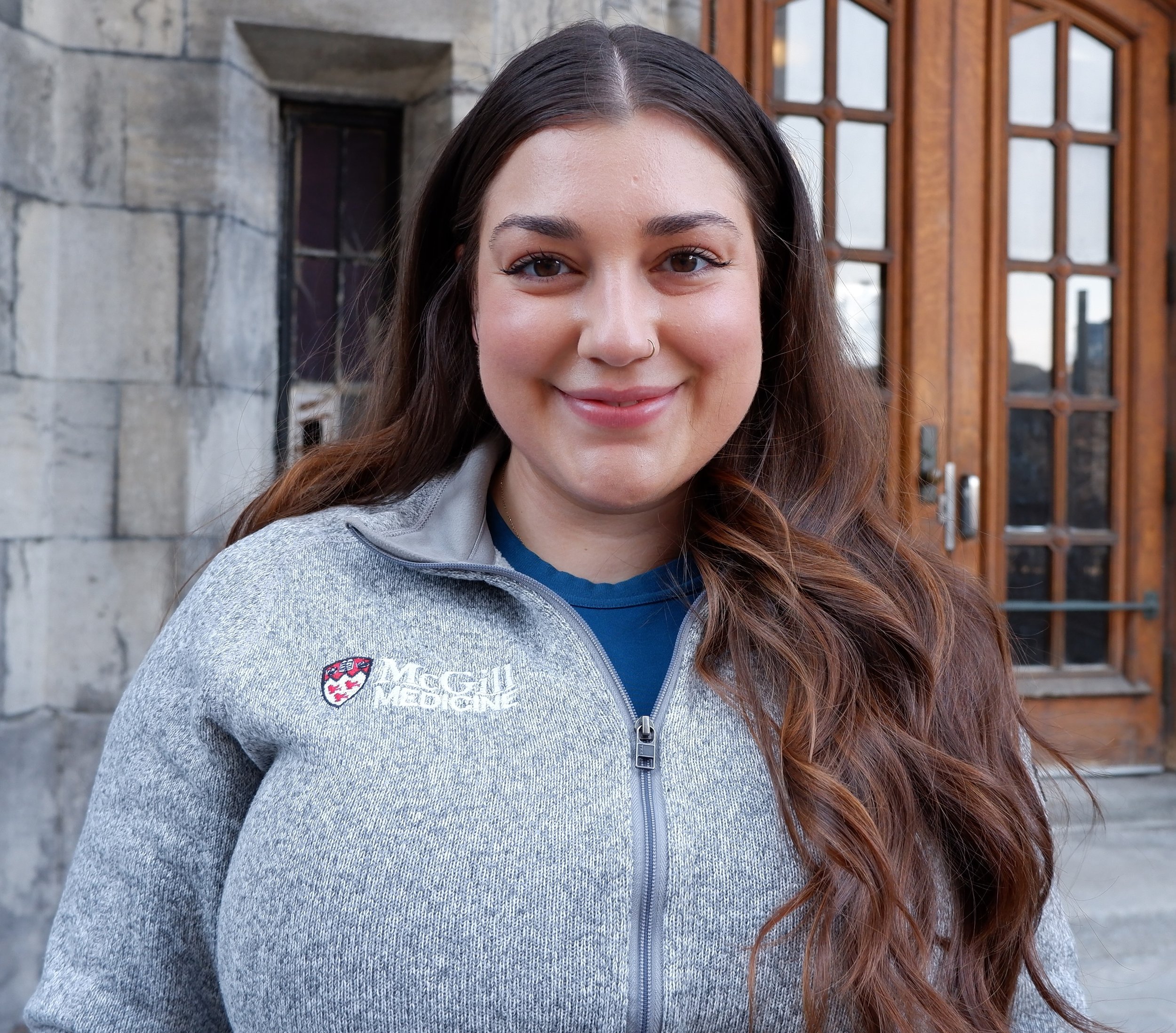
Olivia Koufos
is a second year medical student at McGill University with a growing interest in global surgery and trauma care. Prior to medical school, she completed two bachelor's degrees in Biochemistry and Nutritional Sciences at McGill. Her recent work in Nepal focused on emergency care systems and health care outcomes. Outside of medicine, she enjoys travelling, reading, and spending time with her kitten, Caspian.