The Weight We Carry
By Alexa Mouawad
Consent was obtained for all photos in this publication.
When I walked through the main doors of the hospital in Quito, I expected the familiar cacophony of any hospital: hurried footsteps, tired sighs, the low hum of fluorescent light and routine. Instead, there was applause.
Rows of patients and families lined the entrance hall, clapping as our orthopedic team entered. For a moment I thought we had interrupted an event. Then I realized the applause was for us.
I felt almost embarrassed by it. We had not done anything yet. No consultation, no incision, no act worthy of such generosity. But the people waiting there had come from across Ecuador, some on foot, for the possibility of surgery. Not a promise. A possibility.
That week taught me that global health is often measured in the distance between possibility and promise.
In clinic, the pattern repeated itself with heartbreaking regularity. A child would be lifted onto the examination table. The surgeon would study an X-ray, examine a twisted limb, pause, and then far too often say the words that slowly filled the room: “I’m sorry. We cannot operate.”
Not because nothing was wrong, but because too much was. Because here, with the resources we had, surgery might cause more pain than healing. In one case, a thirteen-year-old boy in a wheelchair asked us, sweetly and repeatedly, if we would please do his surgery. When the answer remained no, his mother’s eyes filled with tears. He looked up at her and comforted her instead.
In another, a little girl came back for the second year in a row, carrying the same hope into the same room. Again, she was told no. After she left, the surgeon turned to me and said quietly, “If this were Montreal, we’d operate without hesitation.” Here, he explained, the risks outweighed the benefit.
That sentence stayed with me all week. In one city, an interesting surgical case. In another, an impossible one.
Then a father walked in carrying his son.
The boy’s name was Adonis. He was eight years old, had cerebral palsy and could not walk on his own. He loved soccer with the seriousness some people reserve for religion. He knew every player on the Ecuadorian team, every World Cup qualifying match and its result. While we waited, he whispered facts to his father as if reciting a private litany.
The surgeon stood him on his feet and held his hands. Adonis was able to step forward slowly despite his legs crossing with each step. The surgeon’s face changed. There was something there. Possibility.
I took Adonis and his father to the anesthesia station next to fill out the required questionnaires. The father told me, “I am his shadow.” Day in and day out, he would carry Adonis to school and stay with him throughout to day to help him, then to the market where he worked, then home again at night. As the years went by, Adonis was growing bigger, and this was getting harder for his father.
I began asking the questions, but they seemed written for another person’s reality.
House or apartment?
“Neither,” he said. “A room.”
Would they be able to buy the medications needed after surgery?
He did not hesitate. “It will be food or medication. Not both.”
In medicine, we talk so often about access as if it were an abstract principle. That afternoon, it became painfully precise. Access was a father choosing between pain relief and dinner. Access was a form with answer boxes too big for the truth.
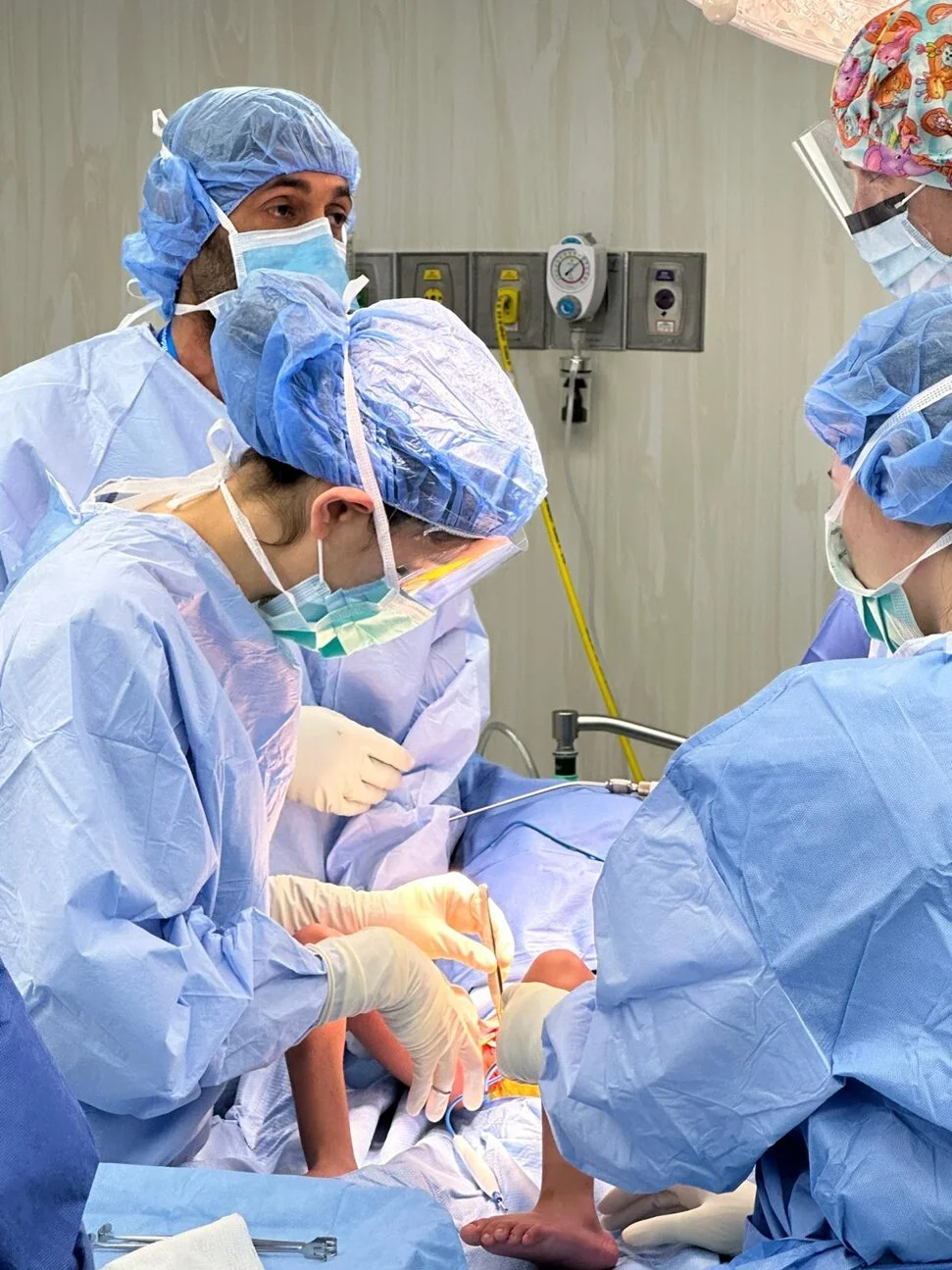
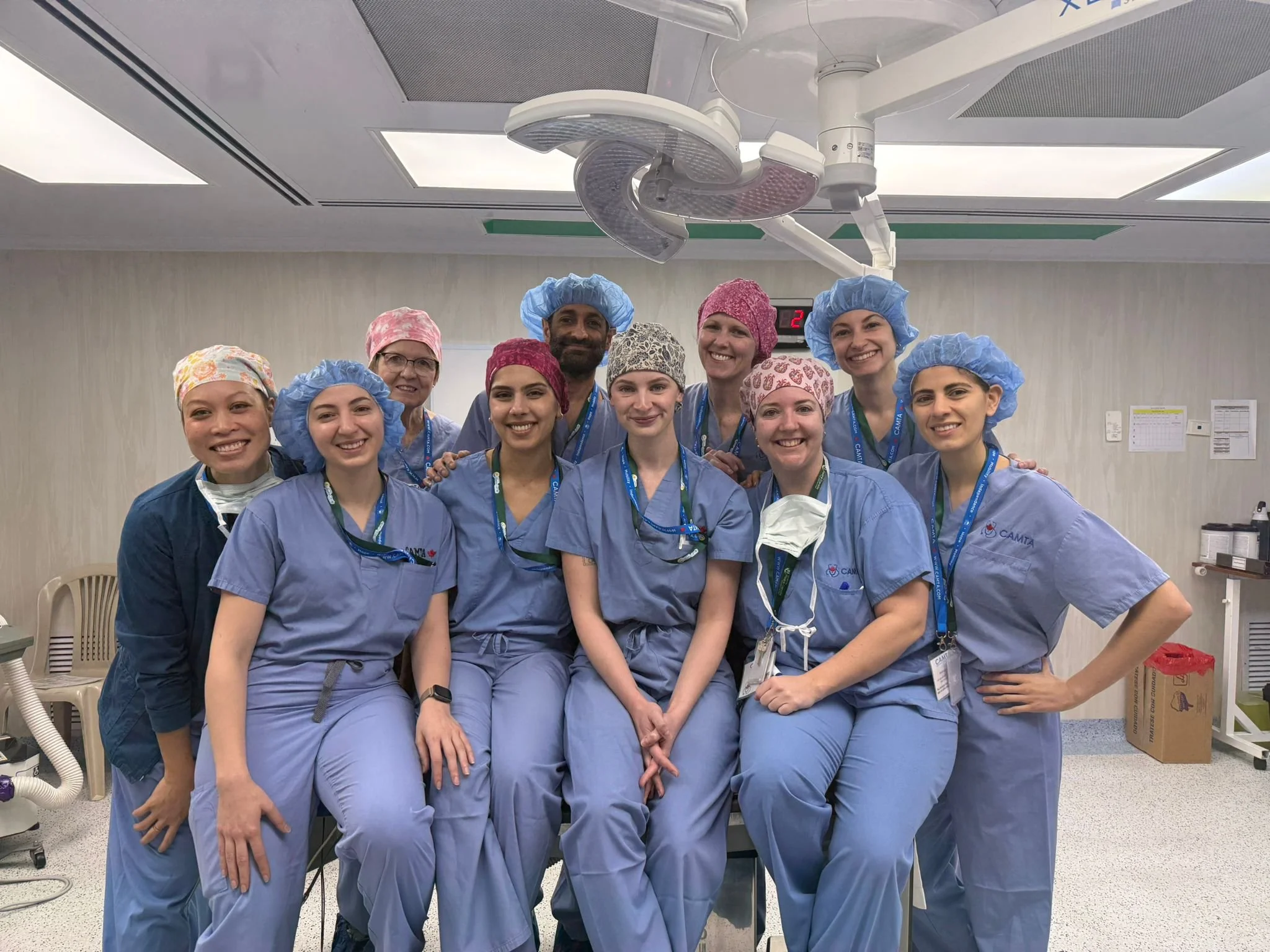
Adonis was scheduled for the final day. By then, the week had found its rhythm and so had we. The days had been filled with consultations, clubfoot corrections, tendon releases, cast placements, and long hours beneath the operating room lights. We were tired, yes, but what kept us going was the deep satisfaction of doing meaningful work and transforming lives.
But when I saw his name on the list, fatigue loosened its grip.
Outside the operating room, Adonis was smiling, but his hands were shaking. I tried to distract him with videos of his favorite soccer players. It did not work. Fear has its own gravity. He sat quietly with his father until it was time.
I carried him through the operating room doors in my arms, swooping him forward like a superhero. Still, I could feel him trembling against me.
In the operating room, everyone took their places with the precision of a choreography. I stayed beside him, holding his hands and explaining each step. He looked at me just before the anesthesia took hold.
“Please make sure I wake up,” he said. “I need to walk. I need to be there for my father and my brother.”
Then he was still.
Several hours later, the surgery was successfully completed. When I stepped out, his father was sitting in the same chair, waiting with the stillness of someone practiced in waiting. I sat beside him to reassure him. Only then did he tell me about the brother Adonis had mentioned. Their mother had left when Adonis was first diagnosed with cerebral palsy at two years of age. She had been pregnant and for the past few months, he had been fighting in court for custody of both boys.
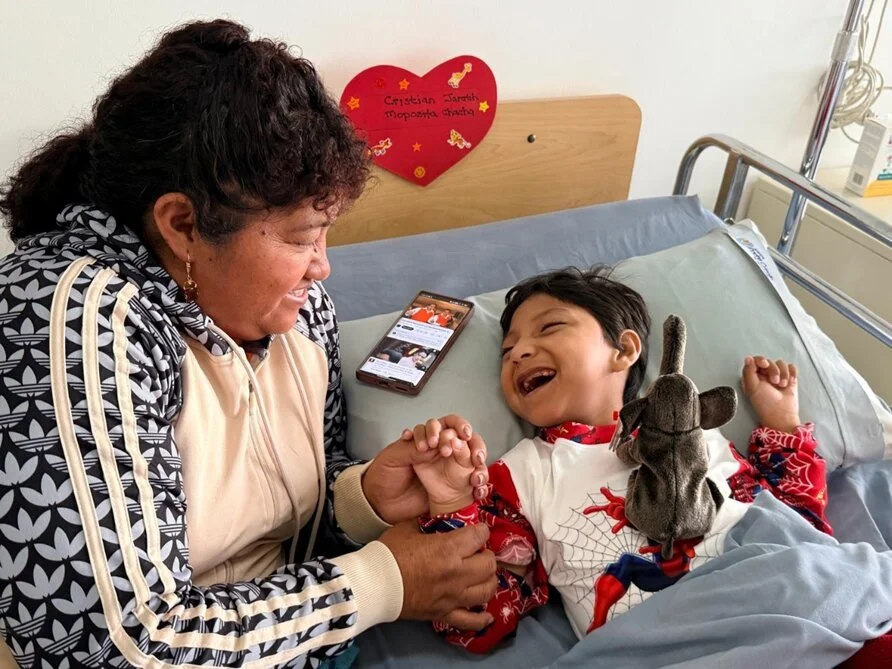
Adonis’s recovery was hard. When he woke, pain replaced the bright smile I had come to expect. He tried to be brave, but when we brought him back to his father, he finally let out his tears. The next morning, sunlight poured through the hospital window. Adonis was quieter, exhausted, but his father was already imagining a different life, one in which his son could be independent.
Before I left the ward for the last time, they asked me to come back once more. I found them waiting for me beside the empty beds. In his hands, the father held a rosary. They wanted me to have it.
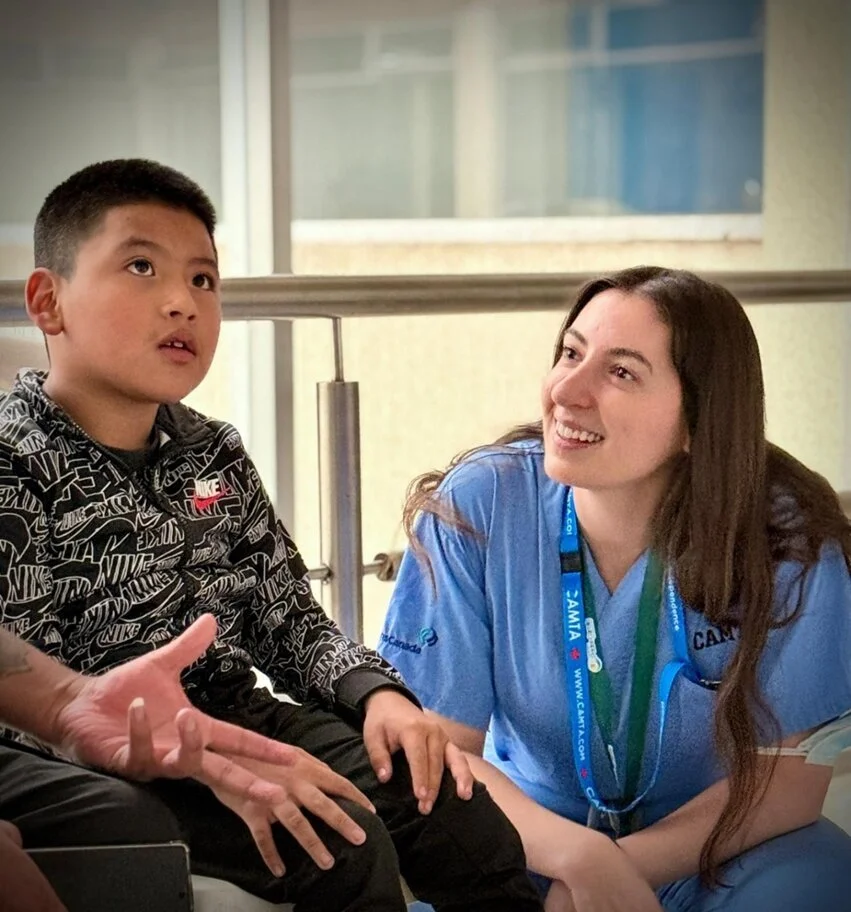
I accepted it with gratitude, and with the quiet ache of feeling there was still more I could have done. I had arrived in Quito to learn how a surgical mission works, how teams deliver care with limited means. I left understanding something deeper: medicine is not only what we do with our hands. It is also what we are willing to carry, and what we can, for a moment, help another person set down.
I still think about the applause in that entrance hall. At the time, it felt undeserved. Now I think it was never for us alone. It was for the fragile idea that sometimes care does arrive. That sometimes, in a place where so many are told no, one person might hear yes.
And that yes might be enough to change the immense weight of disease or disability that they carry.
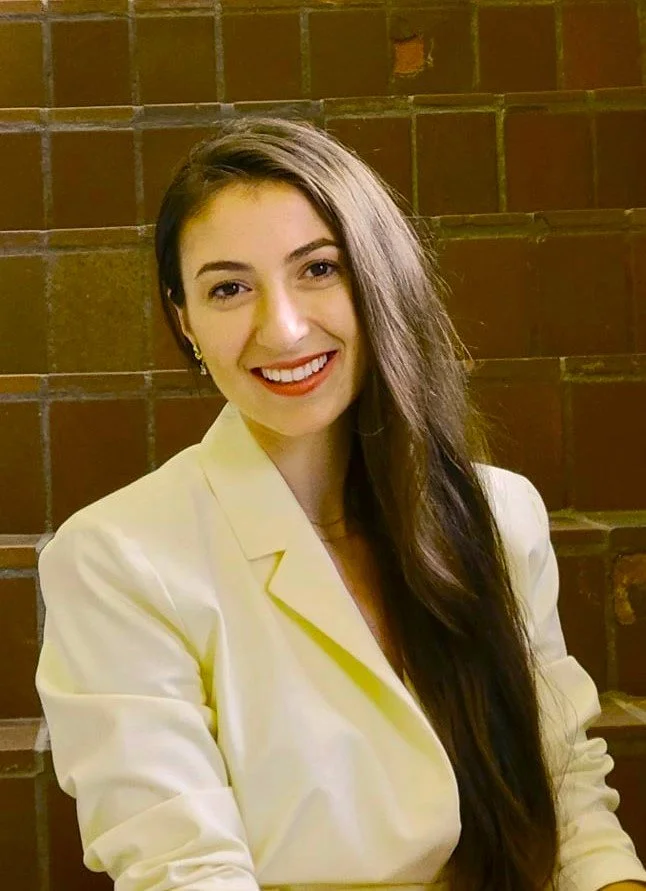
Alexa Mouawad
is a medical student at McGill University with a background in process control engineering and software development, including artificial intelligence and machine learning. She is deeply committed to global health and equitable access to care. Her work involves clinical outreach with underserved populations in Montréal, research on healthcare access in remote Northern communities, and participation in international medical and surgical missions. She joined the Canadian Association of Medical Teams Abroad (CAMTA) on a surgical mission in Quito to help restore mobility for patients with limited access to orthopedic care while learning the operational and logistical foundations of running an effective surgical mission. Inspired by this trip, the next step of her journey will focus on bringing cataract care to next year’s surgical mission in Ecuador.