Sex Ed in the U.S. is Under Assault - Our Health, Rights, and Relationships Are at Stake
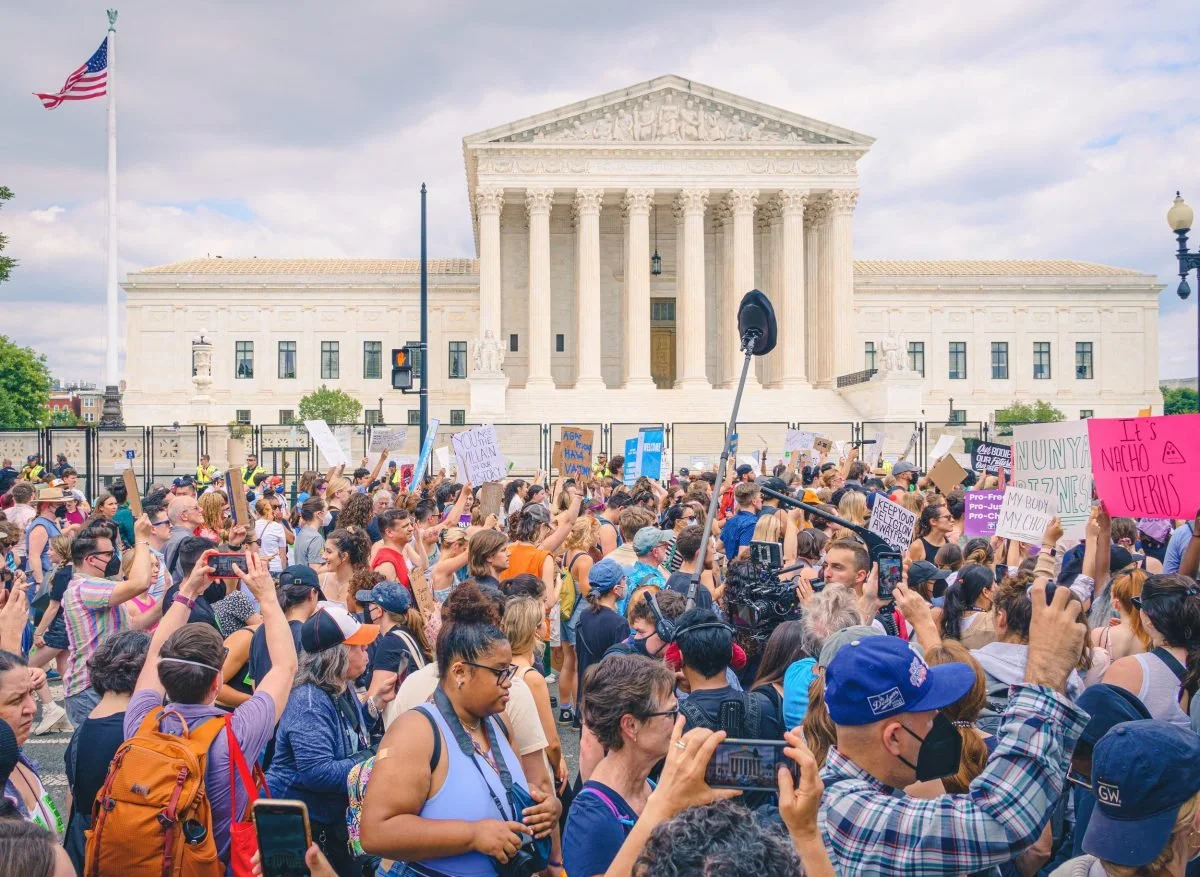
CC BY-SA 4.0
By Maya Ueoku, Lila Aspin, and Aleeyaa Alam
When the newly inaugurated second Trump administration issued an executive order claiming to “defend women from gender ideology extremism,” the world took note. Attention was soon lost to the sensational proclamations that followed, but in the backdrop these words have underpinned an agenda to erode the foundation of sex education nationwide. As young women who have lived through these shifts, we’ve watched with growing alarm as vital programs vanish, leaving a generation dangerously unprepared.
Under the guise of protecting youth from “gender ideology,” a coordinated effort is dismantling curricula that teach young people about their bodies, relationships, and health. Comprehensive sexuality education, or CSE, provides essential lessons on communication, consent, and sexual and reproductive health. Yet state budgets have been slashed, and online resources quietly removed. In their place, fear and censorship have taken root.
We are young women who grew up in different states and school districts. Between the three of us, we had distinctly different experiences of sex ed. One of us endured abstinence-only teaching. Another’s curriculum erased queer identities. The third saw their sex ed teacher fired for sexual misconduct. Despite these differences, we share a common memory: the isolating struggle to fill the gaps left by inadequate education. For years, we’ve pieced together answers from unreliable sources to make safe, informed decisions about our own bodies.
CSE isn’t just about sex. Contrary to what the current administration will have you believe, neither is it a playbook to indoctrinate children to the merits of gender and sexual fluidity. It’s about understanding ourselves and others. Holistic sex education teaches emotional intimacy, respect, and healthy relationships, skills essential for all human connection, sexual or not. Yet only 27 states require lessons on healthy relationships. Most emphasize abstinence and leave students to fill the blanks themselves.
Without CSE, young people lose more than just information about sex; we lose tools for empathy and self-awareness.
CSE teaches consent, communication, and power dynamics, helping us recognize coercion, identify abuse, and set boundaries. Supporting CSE means recognizing it not as a threat to morality, but as a framework for creating compassionate, informed citizens.
Eliminating CSE doesn’t eliminate curiosity. Instead, it pushes young people toward the internet, peers, or pornography to find answers. We may gravitate towards online spaces like TikTok as a convenient resource, but these platforms run on engagement, not accuracy. Algorithms reward clickbait and misinformation, and not necessarily evidence-based material. Without proper guidance, young people are vulnerable to inaccurate depictions of sex, unrealistic expectations, and unhealthy messaging around sex and relationships. Stripping CSE from us doesn’t silence our curiosity, it only misdirects it towards unreliable, sometimes dangerous sources.
The burden also falls on parents, many of whom feel ill-equipped to take on what schools once provided. While nearly 90% of parents support sex education in schools, only about half have talked with their children about sex. Cultural barriers, discomfort, and limited knowledge often prevent parents from providing accurate, comprehensive information. This deepens inequities in what young people learn about consent, relationships, and safety. CSE in schools levels the playing field, giving every young person access to the same essential foundation for healthy decision-making.
Opponents of CSE often claim it promotes sexual activity, but decades of research actually show the opposite. CSE delays sexual initiation, reduces risky behavior, reduces rates of teen pregnancy, and lowers rates of intimate partner violence. Evidence consistently supports what many of us know firsthand: informed young people make safer, healthier choices. Still, CSE is framed as an attack on “family values” and used as a weapon in broader attacks on LGBTQ+ rights. But education that excludes queer and trans experiences doesn’t mirror our reality. When young people can’t see themselves reflected in what they’re taught, they’re more likely to face poor health outcomes. Lesbian and bisexual youth, for example, experience higher rates of unintended pregnancy than their heterosexual peers, largely because their needs are ignored.
Sex education in America has long shifted with each administration, its content dictated by politics rather than public health. Federal funding priorities and Department of Education guidelines now serve as partisan tools in a culture war over our bodies and identities. But political ideology should not determine our right to accurate, life-saving information.
The reality is stark: access to sex education changes every four years depending on who is in power.
This is not new. We’ve seen the “sex-ed wars” before, and unless we act, we’ll see them again. The current attacks on gender identity are part of a larger movement seeking to control how we understand ourselves. The same forces that seek to erase queer existence in classrooms are questioning the rights of those communities outside them. The assault on CSE is not isolated: it’s one front in a broader campaign against bodily autonomy and human rights.
President Trump’s executive order spoke of “dignity, safety, and wellbeing,” yet it robs us of all three when it denies the knowledge we need to stay safe and healthy. Silence has never protected anyone. When young people are left without the language to understand our bodies and relationships, we enter adulthood unequipped to navigate real life.
When all we know is silence, how can we find the words to keep ourselves safe?
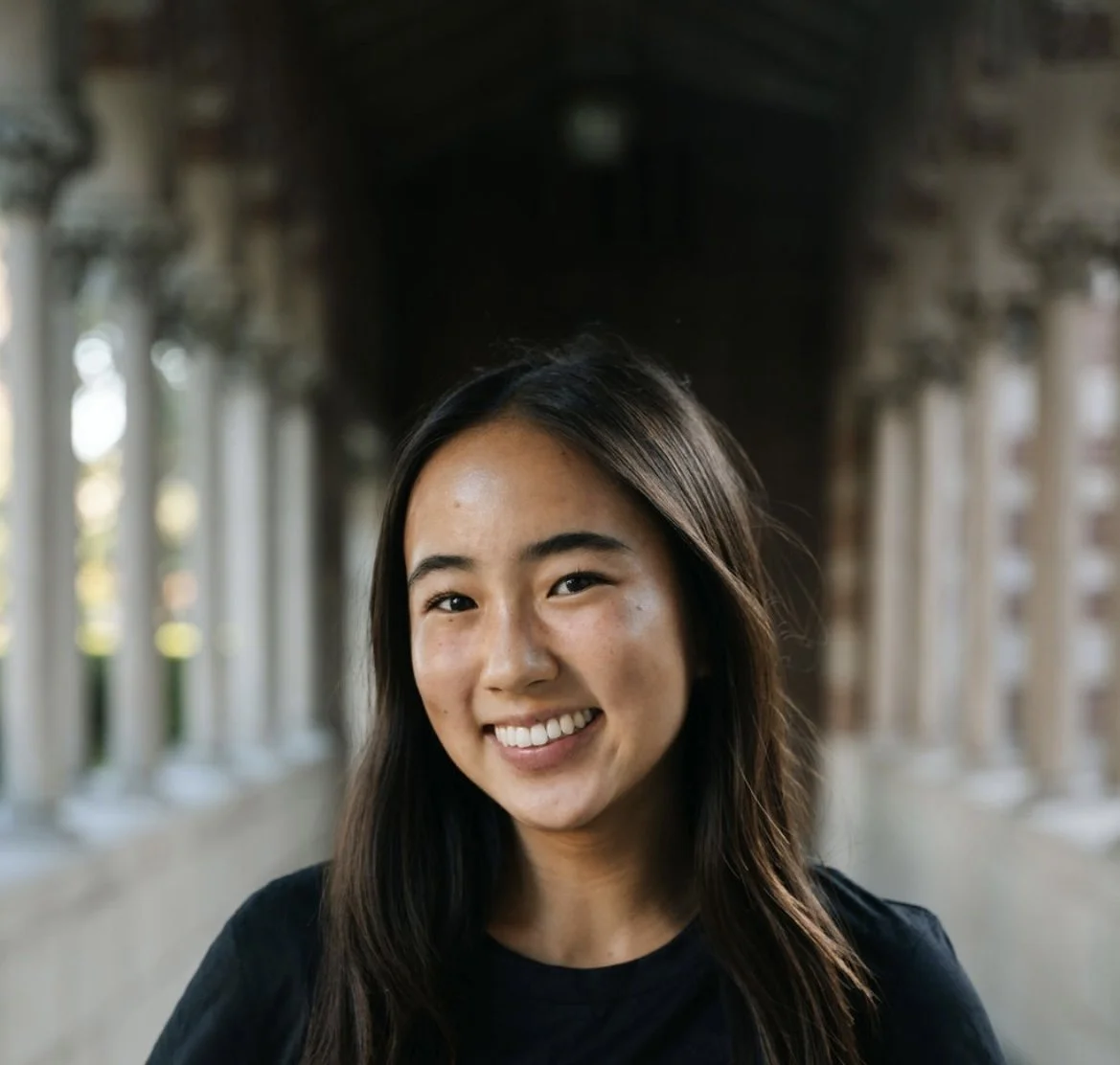
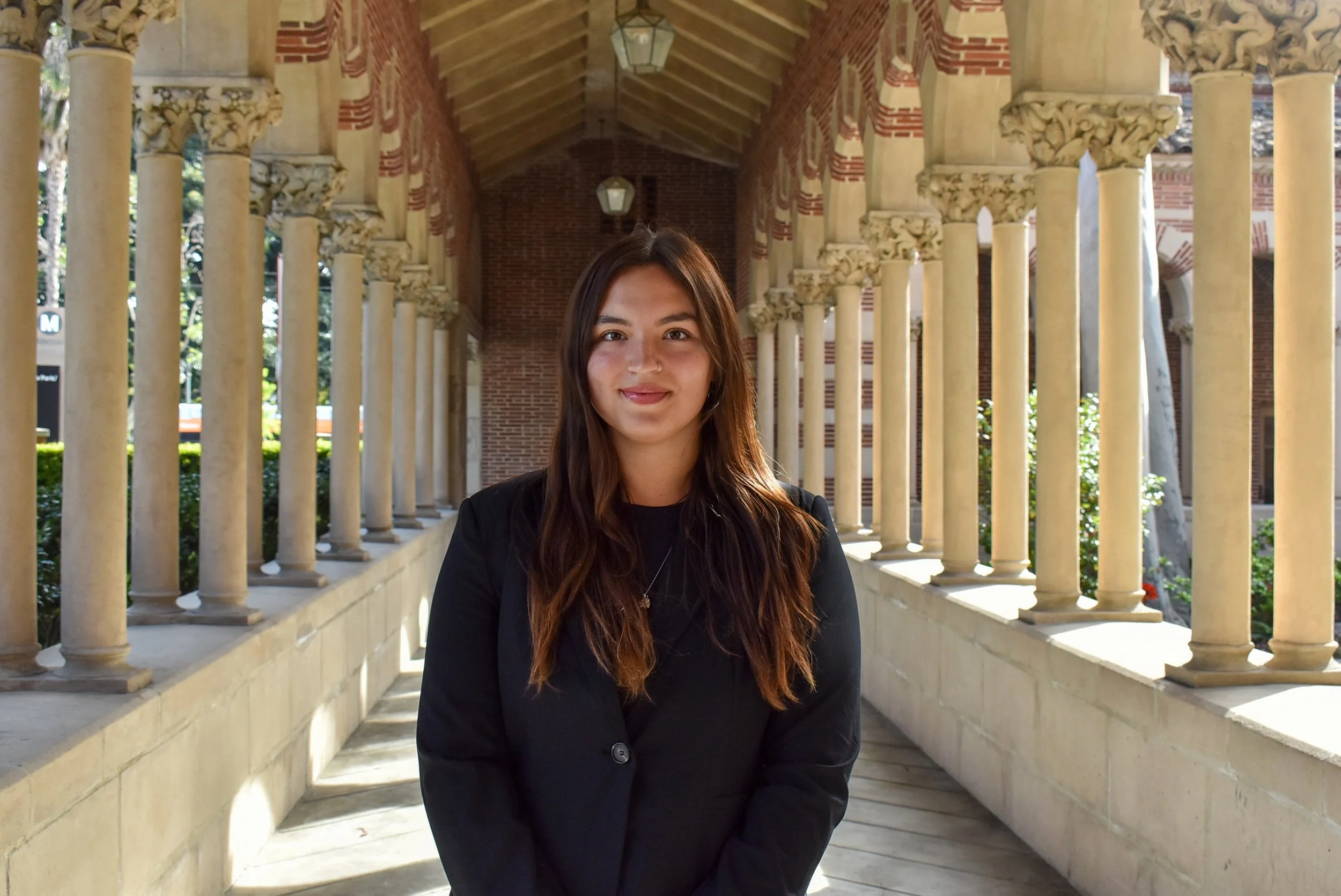
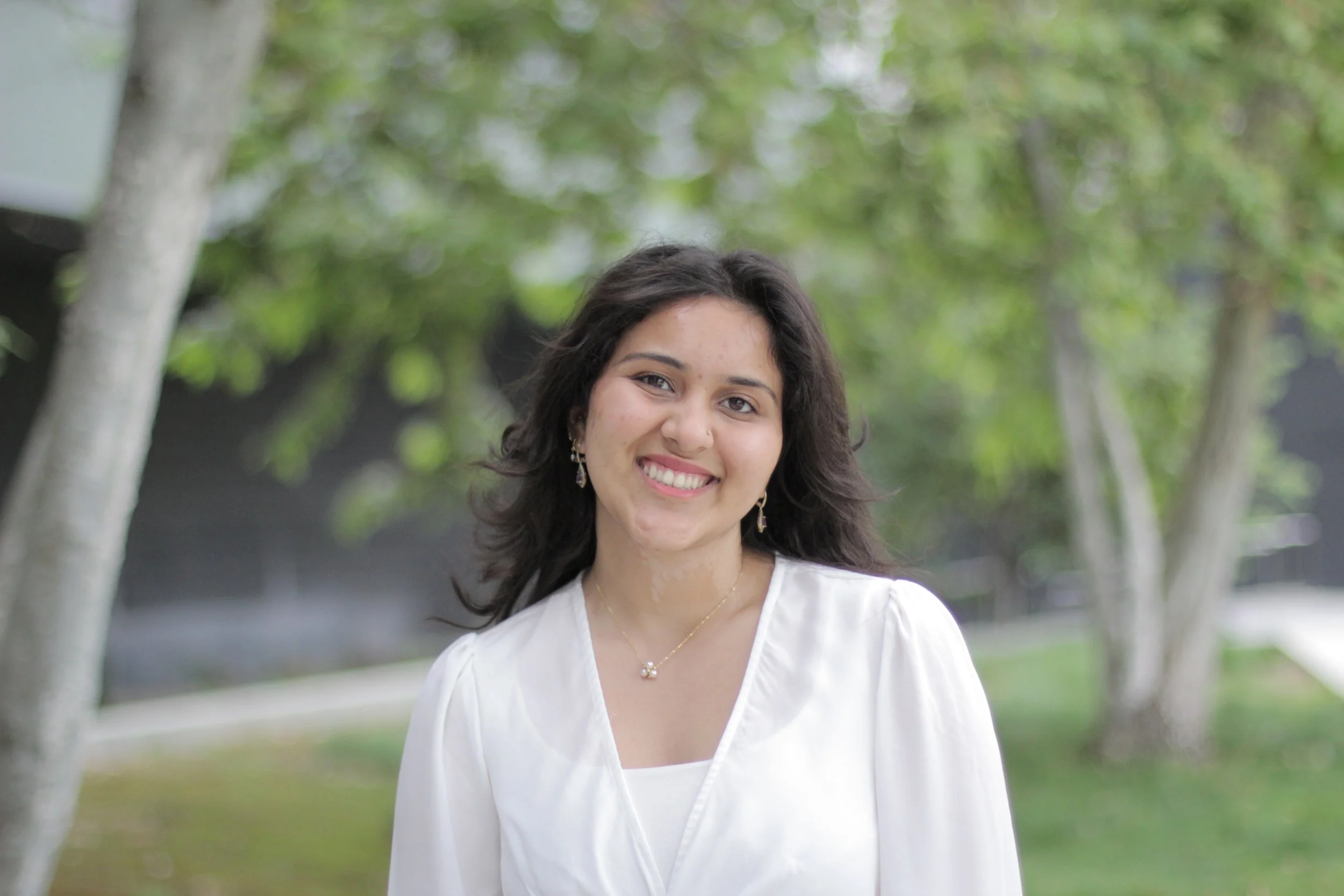
From left to right
Maya Ueoku is a senior at USC obtaining her B.S. in Global Health and M.S. in Global Medicine. She is an aspiring public health professional, passionate about health equity for underserved communities.
Lila Aspin is a public policy student at the University of Southern California, where her work focuses on public health and social justice policy. She is particularly interested in how law and policy can be used to address systemic gaps in health access.
Aleeyaa Alam is a student at USC pursuing her Master's in Public Health, who is interested in translating health research into accessible digital content that reaches diverse audiences. Her work focuses on improving sexual health knowledge by bridging academic research and storytelling.